
If you’re running multiple PSPs in Australia and you’re handling the integrations in-house, you may be dealing with no automated fallbacks, separate dashboards, and potentially mismatched decline codes.
On top of managing multiple payment service providers, Australian merchants also need to account for specific considerations like RBA’s least-cost routing regulation and eftpos domestic debit card network.
In this post, we’ll explain how you can benefit from a payment orchestration platform, and how Primer can help.
Why Australian merchants benefit from multiple processors
There are multiple reasons why Australian merchants can benefit from using a payment orchestration platform to work with multiple payment processors, and the first is least-cost routing.
Around 90% of debit cards issued in Australia are dual-network cards, meaning they can be processed either through eftpos or the Visa Debit/Mastercard Debit networks. The RBA has been encouraging merchants to route through whichever network costs less, and its data shows that debit acceptance costs are nearly 20% lower for merchants with least-cost routing enabled.
Beyond least-cost routing, having multiple processors means you can negotiate fees with a credible alternative to route volume to, protect revenue during peak periods with automated fallbacks, and optimize authorization rates by setting up smart routing to the processor that performs best for each card type.
Popular payment methods in Australia
Contactless payments are now nearly universal in Australia, impacting Australian’s preferred payment methods. Top options currently include:
- Cards. Cards account for 76% of transactions. Australian debit cards are typically dual-network, meaning they can process through either the domestic eftpos network or the international Visa Debit/Mastercard Debit network, and the network that processes the transaction can affect what you pay in interchange.
- Digital wallets. Apple Pay, Google Pay, and Samsung Pay are widely adopted, especially on mobile.
- PayTo is Australia's new real-time payment mandate built on the New Payments Platform, letting businesses initiate direct debits with real-time confirmation.
- Buy Now Pay Later (BNPL). This is a $18.34 billion market in Australia, with Afterpay (3.5 million local users) and Zip as dominant providers.
- BPAY remains widely used for bill payments and recurring charges.
How Primer’s unified payment infrastructure can keep costs down for Australian merchants
Primer connects you to multiple processors through a single integration, which is particularly relevant for Australian merchants looking to take advantage of least-cost routing. That means you can connect to popular Australian payment options like Apple Pay and AfterPay in just a few minutes.

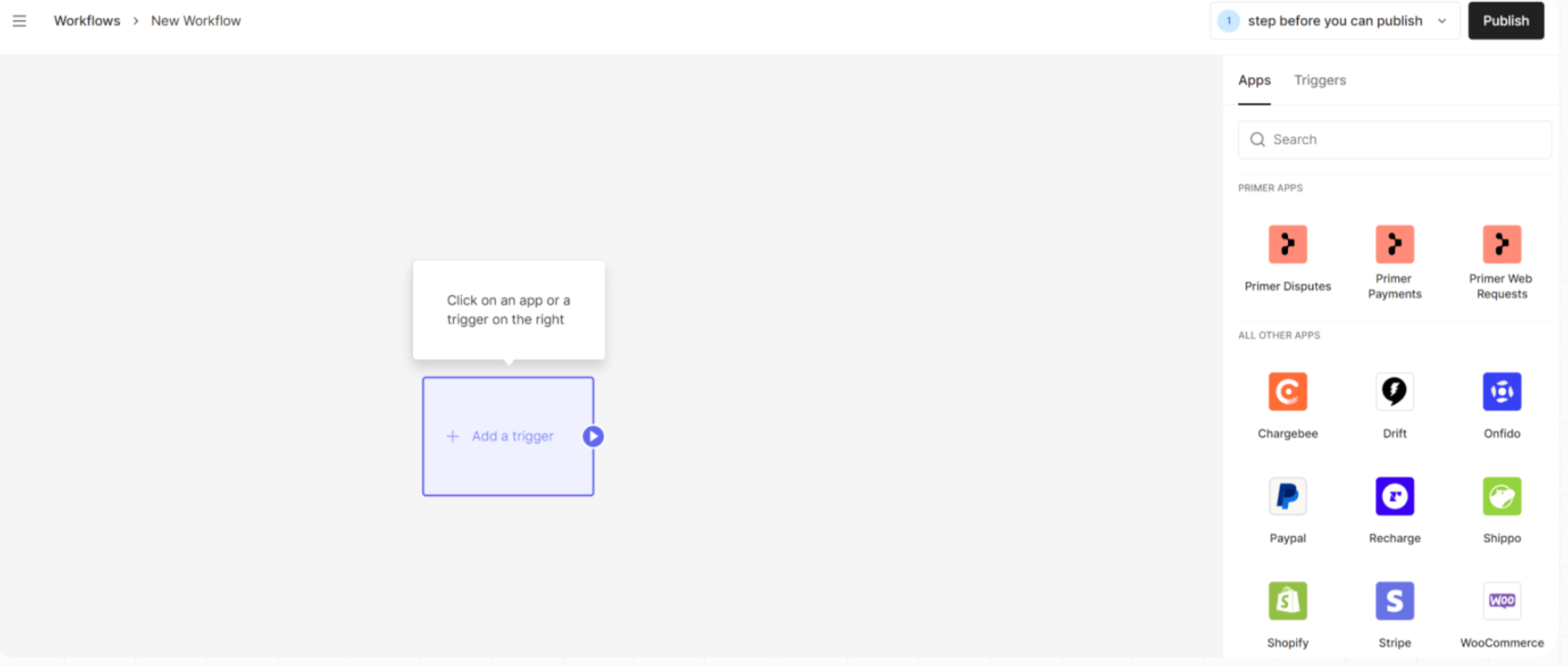
Through Workflows, you can set rules to route dual-network debit transactions through whichever network charges less, and adjust those rules as eftpos and Visa/Mastercard pricing changes without going back to engineering.
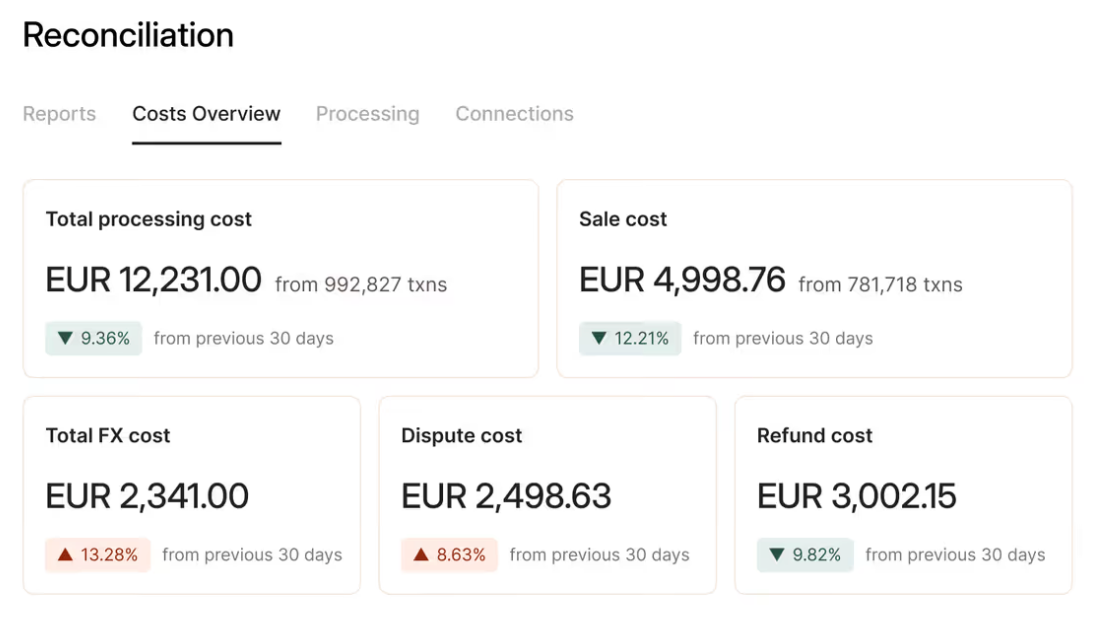
Because Primer separates cost data through Costs Overview from performance data in Observability, you can see whether a cheaper routing path is also maintaining your approval rates.
And if a processor goes down during a peak sale season, Fallbacks with agnostic 3DS reroute the transaction to your secondary processor without the customer re-authenticating.
How Dabble uses Primer in Australia
Dabble is one of Australia's fastest-growing sports betting platforms, with 3.4 million active users across Australia, the US, and the UK.
Dabble adopted Primer before expanding beyond Australia, which meant it didn't have to rebuild its payment stack for each new market. Since going live, Dabble has seen a 10%+ increase in global authorization rates and recovered over AUD $1,000,000 in 2025 through Fallbacks.
Book a demo to see how Primer handles least-cost routing, peak period fallbacks, and multi-processor cost visibility for Australian merchants.
Frequently asked questions (FAQs) about PSP platforms for Australian businesses
How does eftpos different from Visa/Mastercard debit for Australian merchants?
Most Australian debit cards are dual-network, meaning they can process through either eftpos or Visa Debit/Mastercard Debit. eftpos typically has lower interchange fees for domestic transactions, so RBA encourages least-cost routing.
What is PayTo and how is it impacting Australian payments?
PayTo is a real-time payment mandate built on Australia's New Payments Platform. It lets businesses initiate payments directly from a customer's bank account with real-time confirmation, replacing older direct debit systems. Not available on Primer yet.
What is least-cost routing and how does it work in Australia?
Least-cost routing lets merchants choose which network processes a dual-network debit card transaction. The RBA has been encouraging this since 2017, and its data shows debit acceptance costs are nearly 20% lower for merchants with it enabled.